The 2025 Collector Market: Trends, Authentication, and the Future of Match‑Worn Shirts

The 2025 Collector Market: Trends, Authentication, and the Future of Match‑Worn Shirts

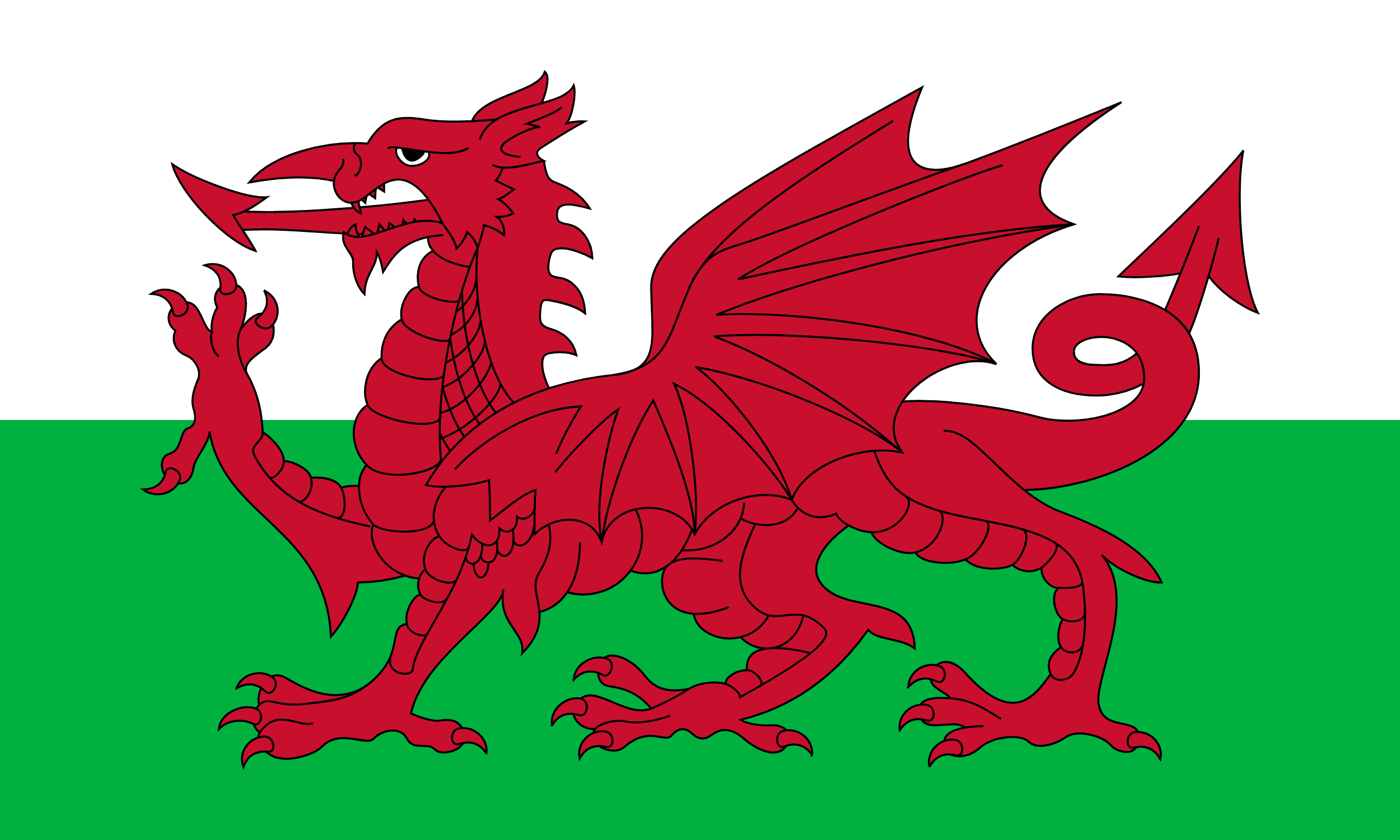
Flag of Wales

As interest in football memorabilia continues to grow, the year 2025 finds the match‑worn shirt market at an exciting crossroads. Collectors, investors, and fans are increasingly recognising these garments as tangible pieces of sporting history. In this extended article, we explore the trends shaping the collector market in 2025, discuss advances in authentication technology, examine ethical considerations, and offer insights into how Wales match shirts fit within this expanding landscape. Whether you are new to collecting or a seasoned enthusiast, this comprehensive overview will provide valuable context and guidance.

One of the most notable trends in 2025 is the continued expansion of the online marketplace. Platforms such as MatchWornShirt, Classic Football Shirts, and specialized auction houses facilitate global transactions, connecting sellers and buyers across continents. The pandemic years accelerated the shift towards digital auctions and virtual exhibitions, and that momentum has carried through. These platforms provide detailed listings with high‑resolution images, provenance information, and bidding histories. For collectors, this accessibility has increased competition but also broadened opportunities to find rare items. Wales match shirts from historic matches, particularly those worn in qualifiers or by iconic players, attract significant attention. A genuine 1958 World Cup shirt or a 1990s Umbro shirt worn by Ryan Giggs can command five‑figure sums, depending on condition and documentation.

Authentication has become more sophisticated, a necessity given the proliferation of counterfeit shirts. In 2025, technologies such as blockchain provenance tracking, digital watermarking, and advanced textile analysis are standard tools in the arsenal of reputable auction houses. Blockchain systems create an immutable record of a shirt’s history, from the match it was worn in to each subsequent transaction. Digital watermarks embedded in the fabric or the accompanying certificate of authenticity provide another layer of security. Textile analysis, including microscopic examination and spectroscopy, can determine the age and composition of fibres, distinguishing a genuine match‑worn shirt from a modern reproduction. Collectors buying high‑value shirts often commission independent authentication from recognized experts. For Wales shirts, collectors may consult archives like the one curated here, cross‑referencing match photos and kit details.

The market’s growth has prompted important ethical discussions. One concern is the exploitation of former players. In the past, some collectors have obtained shirts directly from players without fairly compensating them, capitalizing on their lack of knowledge about the items’ value. By 2025, there is increased awareness of this issue. Reputable dealers prioritize ethical sourcing, ensuring that players receive appropriate remuneration or that the sale benefits charitable causes chosen by the player. Another ethical consideration is the preservation of heritage. Removing a shirt from its historical context by selling it into a private collection can be contentious. Museums and public archives argue that certain significant shirts should remain accessible to the public. Balancing the rights of owners with the cultural value of memorabilia is an ongoing challenge. Collectors are increasingly donating or loaning important pieces to exhibitions, recognizing the educational benefit of public display.

Trends in design and nostalgia also influence the collector market. In 2025, retro fashion remains popular, and manufacturers release reissues of classic kits. Nike, Adidas, and Umbro collaborate with national associations to produce modern interpretations of iconic shirts. These releases spur renewed interest in original match‑worn versions. For Wales, reissues of the 1958 World Cup shirt, the 1970s Umbro shirt, or the 1990s geometric Umbro kit often precede spikes in demand for originals. Collectors should be aware of how such trends may temporarily inflate prices. Conversely, shirts associated with less successful periods may be undervalued, presenting opportunities for shrewd buyers who value historical significance over current fashion.

The future of the match‑worn market will likely see further integration of technology. Augmented reality (AR) and virtual reality (VR) experiences, where collectors can view and examine shirts in three dimensions before purchasing, are becoming more common. Additionally, sustainability concerns are influencing collecting practices. Some collectors are mindful of the environmental impact of shipping and are choosing to collect digital assets—such as non‑fungible tokens (NFTs) linked to match‑worn shirts—instead of physical items. While NFTs experienced volatility earlier in the decade, they have found a niche among collectors who want proof of ownership without the challenges of storing and preserving physical artefacts. Hybrid models, where a buyer owns both the physical shirt and a corresponding NFT, offer the best of both worlds.

For those specifically interested in Wales match shirts, 2025 presents both opportunities and challenges. On the one hand, the national team’s resurgence, fuelled by recent tournament qualifications and star players emerging in the Premier League, has raised the profile of Welsh football, increasing demand for historical shirts. On the other hand, this popularity means that securing genuine items requires diligence and sometimes deep pockets. Building a collection ethically involves educating oneself, building relationships with reputable dealers, and being patient. Joining collector communities, whether online forums or local groups, provides access to knowledge and potential leads on shirts. Participating in exhibitions, as seen with the 2019 St Fagans show, not only enriches public understanding but also connects collectors with curators and historians who can authenticate and contextualise items.

In conclusion, the collector market in 2025 is dynamic and complex. Technological advances make it easier to verify provenance and conduct transactions, while ethical considerations and cultural appreciation temper the purely financial motivations of collecting. Wales match shirts occupy a special niche within this market, symbolizing national pride and sporting achievement. By understanding market trends, employing authentication tools, and engaging with the community, collectors can build meaningful and valuable collections that preserve the legacy of Welsh football. As you embark on or continue your collecting journey, remember that each shirt is more than a commodity; it is a piece of history, a work of art, and a vessel for stories that deserve to be told and retold.


The Art of the Wales Shirt: A 2019 Exhibition at St Fagans

The Art of the Wales Shirt: A 2019 Exhibition at St Fagans

Flag of Wales

In 2019, the St Fagans National Museum of History hosted an exhibition titled The Art of the Wales Shirt, which celebrated over a century of Welsh football heritage through the lens of kit design. Curated by a team that included collector Simon “Shakey” Shakeshaft, the exhibition brought together match‑worn and replica shirts from across decades, telling the story of the national team, the evolution of sportswear, and the cultural significance of these garments. This extended article offers a comprehensive account of the exhibition’s conception, curation, key exhibits, and reception. Through this examination, we illustrate how a single event can illuminate the rich tapestry of history woven into football shirts.

The idea for the exhibition emerged from a recognition that football shirts are more than just pieces of clothing; they are artefacts that encapsulate memory, identity, and art. St Fagans, known for its open‑air displays of Welsh heritage and culture, seemed the perfect venue. The curatorial team aimed to bridge the gap between sports fans and museum visitors by presenting the shirts as objects worthy of artistic appreciation. To achieve this, the exhibition combined historical narrative panels, high‑quality displays, interactive elements, and multimedia content. Each shirt was accompanied by information about the match in which it was worn, the player who wore it, the manufacturer, and the design features that distinguished it. The aim was to engage both the knowledgeable collector and the casual visitor who might not know the difference between a match‑worn shirt and a replica.

One of the exhibition’s highlights was a display of shirts from the 1958 World Cup, including a rare match‑worn shirt from Wales’s quarter‑final against Brazil. Seeing the dragon crest and the simple round collar up close allowed visitors to appreciate the craftsmanship of the period. Another standout section focused on the flamboyant 1990s, with mannequins dressed in Umbro’s bold geometric patterns and Lotto’s sleek Italian designs. Information panels explained how sublimation printing worked and why certain colours and patterns were chosen. There was also a section dedicated to goalkeeper shirts, illustrating how the flamboyant patterns of the 1980s and 1990s reflected a growing individuality in that position. The exhibition included interactive screens where visitors could scroll through digital archives of match photos, view videos of key moments, and listen to interviews with players discussing what it felt like to wear the Wales shirt.

The exhibition did not shy away from exploring deeper themes. One part addressed the issue of counterfeit shirts and the importance of authenticity. Displays compared genuine match shirts with high‑quality fakes, teaching visitors how to spot differences in fabric weight, stitching, and labels. Another section examined how the Wales shirt has been used in protest and political expression. For example, a replica from the 1980s was displayed alongside information about anti‑apartheid protests during which fans wore shirts emblazoned with slogans calling for sanctions against South Africa. By situating the shirt within broader political movements, the exhibition underscored the garment’s role as a vehicle for activism.

Curatorial narration also extended to the personal stories behind some shirts. A shirt donated by the family of Ivor Allchurch came with letters and photographs that told the story of his career. A contemporary shirt from the 2016 European Championship, signed by the squad, reminded visitors of Wales’s modern achievements. In this way, the exhibition connected the past to the present, showing continuity and change. Collectors like Shakeshaft lent items on the condition that they would be displayed responsibly and returned in the same condition. The collaboration between private collectors and a public institution demonstrated how heritage can be safeguarded through partnership.

Reception to the exhibition was overwhelmingly positive. Football fans appreciated seeing rare shirts up close, while art and history enthusiasts gained a new appreciation for sportswear design. Media coverage highlighted the novelty of presenting football shirts as art, and the exhibition drew visitors who might not otherwise have considered a museum visit. As a legacy, the exhibition encouraged other museums to explore similar thematic presentations. It also sparked discussions about establishing a permanent collection of Welsh football artefacts, possibly leading to a dedicated sports museum in the future.

The Art of the Wales Shirt exhibition thus served multiple purposes. It educated the public about the evolution of kit design, celebrated Welsh football achievements, and fostered a dialogue about national identity, authenticity, and the intersection of art and sport. For our archive, the exhibition reinforces the importance of preserving and contextualising match‑worn shirts. Each garment displayed at St Fagans carries a story that goes beyond the 90 minutes of a match; it embodies the hopes, struggles, and pride of a nation. Documenting this exhibition ensures that future generations can look back and see how the simple act of wearing a shirt connects individuals to a wider narrative of culture and history.

Lotto 1990s: Italian Flair and the Gary Speed Legacy

Lotto 1990s: Italian Flair and the Gary Speed Legacy

Soccer Ball

In the mid‑1990s, the Wales national team undertook a significant shift in kit supplier by signing with Lotto, an Italian sportswear company known for its stylish designs. This change brought a fresh aesthetic and a sense of continental flair to the team’s appearance. The Lotto era, though brief, left an indelible mark, not least because it coincided with the captaincy of Gary Speed, one of Wales’s most beloved players. This extended article examines the design elements of Lotto’s Wales kits, situates them within the broader context of 1990s football fashion, and discusses the legacy of Gary Speed as it relates to these shirts.

Lotto’s arrival as a kit supplier to Wales around 1996 followed a trend of national teams partnering with non‑British manufacturers. The Italian brand had gained prominence through its work with clubs like Juventus and the Dutch national team. For Wales, Lotto produced a kit that balanced tradition with modernity. The home shirt retained the classic red base but introduced a unique collar design: a buttonless round collar bordered with green and white, echoing the colours of the Welsh flag. The shoulders and sleeves featured a tonal pattern of diagonal stripes, while the Lotto logo appeared prominently on the chest. The dragon crest was embroidered with fine detail, and the overall cut of the shirt reflected the slimmer silhouettes popular at the time. Lotto also supplied green away kits with red and white accents, as well as a white third kit with green trim. These designs demonstrated the company’s flair for colour coordination and pattern integration.

One of the most memorable aspects of the Lotto era is the way the kits became associated with Gary Speed. By the time Lotto took over the kit deal, Speed had established himself as a key midfielder for club and country. His leadership qualities earned him the captain’s armband, and he proudly wore the Lotto shirt in crucial qualifiers for the 1998 World Cup and the 2000 European Championship. Speed’s style of play—combining tenacity, tactical intelligence, and an ability to arrive late in the box—made him a fan favourite. Photographs of him wearing the Lotto kit, sleeves rolled and armband prominent, have become iconic images of Welsh football in the 1990s. For collectors, a match‑worn Lotto shirt signed by Speed is a treasured item, encapsulating both a moment in kit history and the legacy of a player who embodied Welsh resilience.

The design of Lotto’s shirts extended beyond mere aesthetics; it incorporated technological innovations that improved performance. The fabric was a lightweight polyester microfibre that allowed moisture to evaporate quickly. Lotto used ergonomic panel cuts to ensure the shirt followed the body’s contours. Mesh panels under the arms provided ventilation. These features demonstrate how kit design had evolved from simple cotton garments to sophisticated sportswear engineered for athletic performance. The away and third kits employed the same materials but used contrasting colourways to maintain clarity on the pitch. The visual harmony across the Lotto range established a cohesive identity for the team, while giving fans diverse options for support.

Wales’s results during the Lotto era were mixed. The team produced some spirited performances but ultimately failed to qualify for major tournaments. However, there were memorable matches, such as the 2–1 victory over Denmark in 1998, where Ryan Giggs scored a sensational free kick. In that match, players wore the red Lotto kit with green and white trim, a design that now evokes nostalgia. Despite the disappointments on the qualification front, the Lotto shirts remained popular among supporters for their clean lines and subtle patterns. The brand’s Italian heritage and association with stylish European clubs lent the kits an air of sophistication that appealed to fans.

The Lotto era also coincided with a boom in the global football shirt market. Supporters around the world began collecting kits from different nations and clubs, leading to an appreciation of variety and uniqueness. For Wales, the shift to Lotto provided a break from the Umbro designs that had dominated for decades. While the Umbro kits of the early 1990s were bold and busy, Lotto’s approach was more understated and refined. This contrast highlights how kit culture thrives on diversity. The subsequent return to Umbro after Lotto’s short tenure underscores how cyclical these partnerships can be. For collectors, the brevity of the Lotto era makes the shirts particularly desirable. They represent a distinctive departure from the norm, a moment when Wales embraced a continental aesthetic while retaining its core identity.

In reflecting on the Lotto kits, it becomes clear that their significance lies as much in their association with Gary Speed as in their design innovation. Speed’s tragic passing in 2011 has deepened the emotional resonance of the shirts he wore. They serve as reminders of his leadership and his commitment to Welsh football. Each Lotto shirt preserved in a collection tells a story of a period when Wales sought a fresh identity and found it, however briefly, through a partnership with an Italian brand and a captain whose legacy endures.

Umbro 1990–1996: Bold Patterns and a New Welsh Confidence

Umbro 1990–1996: Bold Patterns and a New Welsh Confidence

Soccer Ball

The early to mid‑1990s are remembered by many Wales supporters as a period of both bold style and renewed hope. Umbro, which had been a stalwart supplier since the late 1960s, continued to provide kits for the national team, but the designs produced between 1990 and 1996 were dramatically different from those of previous decades. They incorporated eye‑catching patterns, intricate trim, and new technologies that reflected the aesthetics of the era. This article provides an exhaustive exploration of Umbro’s 1990s kits for Wales, tracing their design evolution, situating them within broader trends in football apparel, and discussing the team performances that forever link these shirts to moments of triumph and heartbreak.

The 1990s were a time of experimentation for football kit manufacturers. Advances in sublimation printing allowed for complex patterns to be dyed directly into the fabric rather than applied as overlays. Umbro took full advantage of this technology. The Wales home shirts of the early 1990s featured a geometric pattern of tonal reds, with subtle diagonal stripes and diamond motifs woven into the fabric. The pattern created a sense of movement, especially under stadium lights and television cameras. The collars were elaborate, with multiple colours and a placket that sometimes included a button. Sleeve cuffs matched the collar, and the Umbro double diamond logo featured prominently on the chest and sleeves. The dragon crest remained central, often appearing in a larger size to hold its own against the busy background. These design choices were not arbitrary; they mirrored a global trend towards vibrant, distinctive kits that stood out on television and captured fan imagination.

Umbro also produced striking away and third kits during this period. One notable example is the 1992–1993 green away kit with white and yellow trim. The shirt used a bold zig‑zag pattern across the chest and sleeves, reminiscent of modernist designs. Another is the white third kit with black and green diagonal stripes, which looked futuristic at the time. Such kits allowed Wales to avoid colour clashes while giving fans alternative designs to collect. They also provided Umbro with additional products to market. For collectors today, the away and third kits from this period are sometimes even more sought after than the home kit due to their rarity and striking visual impact. Replicas sold to fans mirrored the design of match shirts but differed in fabric quality and detailing. Genuine match‑worn shirts usually had thicker fabric, stitched crests, and larger numbers.

The on‑field performances of the Wales national team were intertwined with these kits. Although the team did not qualify for a major tournament during this period, there were several near misses and unforgettable matches. The 1992–1993 qualifying campaign for the 1994 World Cup saw Wales come tantalisingly close. Wearing a red Umbro kit with an intricate geometric pattern and a green collar, Wales defeated strong teams like Belgium and Austria. The home match against Romania in November 1993 is etched into memory. A win would have secured qualification, but a missed penalty and a Romanian goal dashed Welsh hopes. Thousands of fans, clad in the red and green Umbro shirts, wept in the stands of the National Stadium. Despite the heartbreak, the campaign fostered a sense of belief and unity, symbolized by the striking shirts players and fans alike wore with pride.

Key players from this era further imbue the shirts with meaning. Gary Speed, who debuted for Wales in 1990, became a mainstay of the team. His tireless work rate, versatility, and leadership qualities saw him play in a variety of positions, often wearing the captain’s armband. The image of Speed driving forward in a 1990s Umbro shirt is iconic. Ryan Giggs, another legend, made his international debut in 1991 and dazzled with his pace and skill. Other notable players included Dean Saunders, Mark Hughes, and Neville Southall. Each of them contributed memorable moments while wearing these bold kits. For collectors, owning a shirt worn by one of these players adds immeasurable historical and emotional value.

The Umbro 1990s kits also illustrate broader shifts in football culture. Shirt sponsorship was still prohibited in international football, so national team shirts remained free of commercial logos. However, the prominence of the Umbro brand on the shirts signalled a change in how manufacturers marketed their association with teams. At the same time, television revenue and merchandising were becoming increasingly significant sources of income for football associations. In this environment, a distinctive kit could drive merchandise sales and strengthen brand identity. Umbro and the Football Association of Wales released limited‑edition replicas, training wear, and accessories. Fans eagerly purchased these items, cementing the connection between supporter culture and kit design. The popularity of 1990s kits has led to modern reissues and retro collections. Umbro’s 2020s collaboration with Wales to produce throwback kits demonstrates how the style of the 1990s continues to resonate.

In summarising this vibrant period, it is evident that the Umbro kits of 1990–1996 encapsulate a moment of flamboyance and optimism in Welsh football. They combined cutting‑edge printing techniques with daring aesthetics, setting them apart from anything that came before. While the team’s results on the pitch fell short of qualifying for major tournaments, the shirts themselves succeeded in capturing the imagination of fans and leaving an indelible mark on football fashion. For collectors, these kits represent the apex of early 1990s kit design and remain highly coveted. When you see a Wales supporter wearing a 1994 Umbro shirt or a reissue inspired by that era, you are witnessing the enduring legacy of a time when design and hope intertwined to create something truly memorable.

1972–1974: Transitional Templates and Experimentation

1972–1974: Transitional Templates and Experimentation

Soccer Ball

The years 1972 to 1974 represent a fascinating transitional period in Welsh football kit history. This short era saw experimentation with template designs, materials, and styling that both reflected and responded to wider changes in football and society. While Umbro remained the chief supplier, their designs exhibited greater variety than in the preceding period, as influences from continental Europe, emerging trends in sportswear, and the demands of television broadcasting began to converge. In this extended article, we dissect the design elements of these transitional templates, contextualise them within Welsh football’s fortunes, and explore how they set the stage for subsequent kit innovations.

One of the key features of the 1972–1974 shirts is the move towards a more fitted silhouette. The early 1970s saw sportswear manufacturers reduce excess fabric around the torso and arms, resulting in shirts that hugged the body more closely. The rationale behind this shift was twofold: aerodynamic benefits and fashion trends. Players found that tighter shirts allowed for greater ease of movement and did not flap in the wind. At the same time, the broader fashion world embraced lean silhouettes, evident in the popularity of slim‑fit suits and shirts. Photographs of Welsh players from this period show jerseys that contour to the shoulders and narrow at the waist, with raglan sleeves that provide a sleek line from collar to cuff. This cut accentuated the athletic build of players and aligned football kits more closely with the emerging sportswear aesthetic.

The design of collars and cuffs also evolved. While earlier Umbro kits favoured a simple V‑neck with contrast trim, the 1972–1974 designs experimented with different collar types, including polo‑style collars with a button placket and open collars with extended lapels. These variations were not used uniformly; rather, they appeared in specific matches or for short runs of shirts. For collectors, these differences are significant markers. For example, a shirt worn by Wales in a 1973 friendly may feature a white polo collar, while one from a 1974 European Championship qualifier shows a deeper V‑neck. Cuffs, too, ranged from narrow bands to elasticated ribs. Some shirts included subtle striping on the cuffs or collar, previewing the more elaborate trim that would become common in later decades.

Another notable aspect of this period is the occasional introduction of manufacturer logos in more prominent positions. While Umbro’s double diamond had appeared on sleeves previously, some 1973–1974 shirts placed the logo on the right chest opposite the crest. This placement mirrored a trend in club football, particularly in European competitions, where manufacturers sought greater visibility. However, the practice was not consistently applied, and several Wales shirts from this era remained free of visible branding. The inconsistency likely reflects experimentation and the evolving relationship between football associations and kit suppliers. For modern collectors, the presence or absence of a manufacturer logo can help date a shirt within this narrow timeframe.

Performance on the pitch during this transitional period was mixed. Wales competed in the qualifying stages for the 1974 World Cup and the 1976 European Championship. Although the team did not qualify for either tournament, they produced memorable results against strong opposition. A standout victory came in 1972 when Wales defeated Austria 2–0 in a World Cup qualifier. Photographs from the match show players in a red shirt with a deep V‑neck and white cuffs, paired with white shorts and red socks. The design appears somewhere between the classic simplicity of the late 1960s and the more experimental styles that followed. Key players included Arfon Griffiths and the ever‑reliable Leighton James, whose performances kept the dream of qualification alive. The emotional highs and lows experienced by fans during this period are intrinsically linked to the shirts worn on those occasions.

From a broader cultural perspective, the early 1970s were a time of significant change in Wales and the UK. Economic turbulence, political unrest, and shifts in popular culture all left their imprint on football. Television broadcasts were now primarily in colour, meaning that the red of the Wales shirt had to look vivid and consistent across different screens. Manufacturers adjusted dye formulations accordingly. Meanwhile, the emergence of youth culture and rock music influenced fashion; flared trousers and bold patterns were in vogue. While football kits did not adopt extreme flares, the experimentation with collars and cuffs can be seen as a nod to the era’s broader fashion trends. Fans watching Wales play on newly installed colour televisions were subconsciously absorbing not just the game, but an evolving aesthetic shaped by the times.

The transitional nature of 1972–1974 kits can therefore be understood as both a response to and a driver of change. They incorporated elements of modern tailoring, flirted with brand visibility, and adapted to new media demands, all while retaining the core elements of Welsh identity. Collectors and historians value these shirts for their rarity—produced in small batches and used across a handful of matches—and for their role in bridging two distinct eras of kit design. Studying them provides insights into how football apparel evolves, reflecting broader societal shifts while influencing the visual language of sport.

Umbro 1967–1972: Forging Wales’ Modern Identity

Umbro 1967–1972: Forging Wales’ Modern Identity

Soccer Ball

The introduction of Umbro as the primary supplier of Wales football kits at the end of the 1960s marked a significant shift in both style and professionalism. While Umbro had produced Wales shirts sporadically before, it was during the 1967–1972 period that the company established a comprehensive kit identity for the national team. This extended article delves into the design features, technological innovations, and cultural factors that shaped the Umbro kits of this era. We also examine the performances of the team, the role of star players, and the broader context of football marketing that accompanied Umbro’s rise. By tracing these threads, we reveal how the red shirt became a conduit for modern Welsh football identity.

Umbro, a British sportswear company founded in Wilmslow, Cheshire, had built its reputation by supplying kits to top English clubs and national teams. Its designs were characterised by clean lines, subtle detailing, and technical innovation. When Umbro took over as Wales’s principal kit provider, it brought this ethos to the national team. One of the most distinctive features of Umbro’s late 1960s Wales shirts was the inclusion of the company’s double diamond logo on the chest or sleeve—an early instance of a visible manufacturer logo on international kits. The shirts also adopted a sharper V‑neck design with contrasting white trim, giving them a crisp silhouette. Umbro’s use of heavier polyester–cotton blends ensured durability and colourfastness, while still being lighter than the fully woollen shirts of previous decades.

A hallmark of Umbro’s design philosophy was consistency. During the 1967–1972 period, Wales shirts displayed fewer variations compared to earlier years. This standardisation was partly due to the company’s centralised production processes, which ensured that each batch of shirts adhered to precise specifications. The dragon crest remained, sometimes updated with a slightly modernised design. Numbers were typically applied using a white flock or felt, with a uniform font. This level of consistency aids contemporary collectors in authenticating shirts; deviations often indicate either a later reproduction or a different manufacturer. However, there were still occasional anomalies. For instance, in certain away matches Wales wore long‑sleeved versions of the Umbro shirt with ribbed cuffs, while home matches often featured short sleeves. These differences can usually be traced to climate considerations or the personal preference of players.

The period was not without its challenges. Wales failed to qualify for the 1970 World Cup, finishing behind East Germany and Italy in their qualifying group. However, there were memorable victories, such as a 1–0 win over England at the 1971 Home Championship where striker Leighton James scored the decisive goal. The images from that match show Wales players in Umbro’s modern red shirts, with crisp white shorts and red socks. The sleek look contrasted with England’s more conservative attire and signalled that Wales was embracing a new era. Players like John Toshack, Leighton James, and Arfon Griffiths became synonymous with these kits. Their exploits on the field imbued the shirts with lasting significance.

Umbro’s marketing strategies also influenced public perception of Wales kits. The company produced small runs of replica shirts for sale to fans. These replicas were often advertised in match programmes and sports magazines, encouraging supporters to “wear the same kit as your heroes.” Although limited in number, these early replica shirts represent an important step in the commodification of football apparel. They allowed fans to physically align themselves with the team and contributed to a growing culture where kit design mattered beyond the pitch. For collectors, distinguishing between a match‑worn Umbro shirt and a replica involves checking fabric weight, labels, and the finish of details. Replicas generally had printed crests and numbers rather than sewn or flocked versions.

Another aspect of the Umbro era was the integration of scientific thinking into kit design. The company worked with sports scientists to develop materials that could wick moisture, retain shape, and resist tearing. These innovations prefigured the high‑tech fabrics of the 21st century, even if they were nascent by comparison. Photographs of Wales training sessions from this period show players wearing Umbro tracksuits with zip tops and elasticated hems. These items were part of a growing range of training and leisure wear that complemented the match kits. The visual coherence of this Umbro catalogue created a strong brand identity for the team. Fans could recognise the double diamond not just on match shirts but on scarves, hats, and accessories, embedding the brand into the fabric of Welsh football culture.

The cultural backdrop to this period included heightened political consciousness in Wales. The Investiture of Prince Charles as Prince of Wales in 1969 sparked debates about national identity and devolution. While football kits might seem apolitical, the choice to emphasise the dragon crest and the red colour took on increased significance. The shirts provided a platform for expressing Welsh pride at a time when questions about Wales’s place within the United Kingdom were being loudly debated. In stadiums across Britain, supporters holding red banners and wearing Umbro shirts visually asserted their national identity. The interplay between sports, politics, and commerce is thus central to understanding why the Umbro era holds such an enduring place in Welsh football lore.

In conclusion, the 1967–1972 Umbro kits represent more than a new supplier deal; they symbolise the dawn of a modern approach to football apparel in Wales. Umbro’s emphasis on design cohesion, material innovation, and brand visibility set the stage for future kit developments. The shirts worn by players like Toshack and James continue to inspire retrospectives and throwback releases. For collectors, these kits are prized not only for their aesthetic appeal but for the story they tell of a nation embracing contemporary football culture while asserting its own identity on the international stage.

Wales 1963–1967: Pre‑Umbro Modernisation and the Dawn of New Kit Aesthetics

Wales 1963–1967: Pre‑Umbro Modernisation and the Dawn of New Kit Aesthetics

Soccer Ball

The four years between 1963 and 1967 occupy a unique space in the history of Wales football shirts. They represent a bridge between the relative simplicity of the 1950s and the brand‑driven revolution that would follow. During this period, new materials, more daring design choices, and shifts in football culture began to coalesce. Although Umbro’s major overhaul of Wales kits is often associated with the late 1960s and early 1970s, the seeds of modernisation were sown earlier. In this extensive article, we examine the technological advances, design experiments, and social changes that defined Wales shirts in the mid‑1960s. We will discuss how the team’s performances impacted kit evolution, explore the roles of key players and managers, and place the shirts within the broader context of global football trends.

One of the most noticeable changes in this era was the adaptation of synthetic fabrics not only for their performance benefits but also for aesthetic reasons. Shirts began to feature slimmer cuts, reflecting both the tailoring trends of the time and players’ desire for more comfortable gear that would not become heavy during matches. Some Wales shirts from 1963–1967 show a move towards V‑neck collars and thinner white trim, replacing the traditional buttoned placket. There were experiments with cuffed sleeves and elasticated hems, details that improved fit and allowed players greater freedom of movement. The fabric itself often had a slight sheen, giving the shirt a more contemporary appearance under stadium lights. In some instances, the red hue of the shirt shifted towards a deeper scarlet, possibly due to the dyes used on synthetic blends. Collectors can identify shirts from this period by feeling the lighter weight fabric and noting these stylistic details.

This era also witnessed interesting experiments with the placement and style of badges and numbers. While the dragon crest introduced in 1957 remained prominent, some shirts included additional elements like small Umbro logos, though these were not yet as dominant as they would become in the 1970s. Numbers were more consistently applied using a flock material, giving them a velvety texture. On some occasions, players wore shirts with sewn‑on panels to accommodate numbers, highlighting the continued improvisational nature of kit production. The result is a fascinating variety of shirt variants within a relatively short timeframe. For example, a match from 1965 might feature one player wearing a V‑neck shirt with a large dragon crest, while another wears a round neck with a slightly different crest position. Collectors relish these differences because they provide clues to match dates and player assignments.

On the field, Wales experienced a mix of highs and lows. In the 1966 World Cup qualifiers, the team failed to progress from a group that included the Soviet Union and Greece. However, there were memorable performances, such as a 2–1 victory over England in 1966, in which Wales players wore shirts with a narrow V‑neck and white trim. The goals from Ron Davies and Wyn Davies (unrelated) are still celebrated by supporters. In these matches, the evolution of kit design and Wales’s footballing ambitions intersected. Wearing a more modern‑looking shirt seemed to signify a new chapter for the team, even if results remained inconsistent. Legendary players such as John Toshack began to emerge in the later part of this period. Toshack’s combination of power and finesse made him a formidable presence on the pitch, and his early appearances in the mid‑1960s came in shirts that were transitional both in style and material.

Beyond results, the cultural context of Britain in the mid‑1960s influenced kit aesthetics. The “Swinging Sixties” saw bold fashion choices, from miniskirts to psychedelic prints, and a general embrace of modernity. Football clubs and associations were not immune to these trends. While Wales did not adopt the outlandish patterns that would appear later in the decade, there was a sense of experimentation. This mirrored shifts in pop culture and design, where modern materials and bold colours were celebrated. Rugby, another dominant sport in Wales, also began to see kit modernisation, and the cross‑pollination of ideas between sports affected design sensibilities. The adoption of more fitted shirts and vibrant colours can be read as part of a broader cultural movement towards sleek, modern aesthetics.

Importantly, the mid‑1960s saw an increase in television coverage of football. Matches were broadcast live or in highlights form to a wider audience than ever before. This exposure contributed to the standardisation of kit design; broadcasters and sponsors (though shirt sponsorship would come later) preferred clear, readable numbers and consistent colours. For Wales, ensuring that the red of the shirt popped on black‑and‑white television screens, while still maintaining its vibrancy in person, presented a challenge. Manufacturers responded by choosing dyes that displayed well under studio lighting. These considerations reveal that kit design is not solely about aesthetics but also about meeting the demands of media technology.

In summary, the 1963–1967 period is an often overlooked but crucial chapter in the story of Wales football shirts. It laid the groundwork for the full Umbro takeover of kit supply and the bold design leaps of the 1970s and beyond. The combination of improved fabrics, experimental design elements, and a society in flux gave rise to shirts that are both visually striking and historically significant. Collectors who specialise in Wales kits value these shirts not only for their rarity but for the stories they tell about a team and a nation on the cusp of a new era. As you trace the threads of this period through match programmes, photographs, and surviving shirts, you gain insight into how fashion, technology, and national identity weave together on the football field.

Wales 1956–1963: Fabric Innovations and Crest Evolution

Wales 1956–1963: Fabric Innovations and Crest Evolution

Soccer Ball

The period from 1956 to 1963 was one of gradual transformation in both the fabric of football shirts and the fortunes of the Wales national team. Coming off the back of a relatively stable post‑war decade, manufacturers began experimenting with new materials and designs, while the Football Association of Wales explored changes to the team crest. In this extended article, we explore how technological innovations, economic factors, and cultural shifts influenced the shirts worn by Wales players. We will also examine key matches, the emergence of star players, and the broader political climate that shaped Welsh identity during these years. By the end of this article, you will have a nuanced understanding of how a simple piece of sporting apparel reflects complex social narratives.

One of the most significant developments in football kit production during this era was the move away from heavy cotton and wool to lighter, more breathable fabrics. Towards the late 1950s, companies such as Umbro and Bukta introduced blended materials that combined cotton with synthetic fibres like nylon. These fabrics were marketed as offering increased comfort and better moisture management, crucial for players who exerted themselves for 90 minutes under varying weather conditions. Welsh shirts made from these blends felt markedly smoother and less absorbent. They dried quicker in rain and sweat, reducing the cumbersome weight that plagued earlier kits. Collectors can feel the difference: a 1958 Wales shirt has a finer weave and a slight sheen compared to its 1950 counterpart. The shift also allowed manufacturers to experiment with different shades of red, as synthetic fibres held dye more consistently than natural fibres.

Crest evolution is another fascinating aspect of this period. Until the mid‑1950s, Wales shirts often featured the three ostrich feathers of the Prince of Wales. However, in 1957, the Football Association of Wales introduced a new crest featuring a red dragon rampant on a green and white shield, with the motto “Cymru am byth” (“Wales for ever”) underneath. This change aligned with a broader cultural movement emphasizing distinctly Welsh symbols. The dragon crest quickly gained favour among supporters who saw it as a more authentic representation of national identity. Not all shirts immediately adopted the new emblem; some players continued to wear the ostrich feathers well into the 1960s, leading to a period where both crests appeared. For collectors, the dragon crest shirts are highly sought after, especially those from Wales’s historic run at the 1958 FIFA World Cup.

Speaking of the 1958 World Cup, the tournament in Sweden marked a high point for the Wales national team. Having finished as runners‑up in their qualifying group behind Czechoslovakia and then winning a play‑off against Israel, Wales qualified for the World Cup for the first time. This was a momentous achievement, celebrated across the country. The shirts worn at the tournament featured the new dragon crest and were manufactured by Umbro, with a simple round collar and a lightweight fabric that was comfortable in Sweden’s summer conditions. Wales performed admirably, drawing all three group matches against Hungary, Mexico, and the hosts Sweden. They progressed to the quarter‑finals, where they faced Brazil. The match is famous for introducing the world to a 17‑year‑old Pelé, whose goal eliminated Wales and propelled Brazil towards their first World Cup win. The Wales shirts from that tournament are exceptionally rare and treasured, not only for their design but for their association with this historic run.

Star players of the 1956–1963 era add human stories to the narrative of shirt evolution. In addition to Ivor Allchurch, Wales boasted talents like John Charles, known as the “Gentle Giant.” Charles was one of the first British players to succeed abroad, starring for Juventus in Italy. Despite playing his club football overseas, he captained Wales with distinction and wore the national shirt with pride. His physical presence and aerial prowess made him a formidable centre forward, while his sportsmanship earned admiration from opponents. Another key figure was Cliff Jones, a winger whose pace and dribbling ability frightened defences. He later moved to Tottenham Hotspur and won the English First Division and FA Cup. Photographs of Jones flying down the wing in a dragon‑crested shirt capture the dynamism of this era. These images also help collectors verify the authenticity of shirts—matching details like collar shape and crest style to specific players and matches.

Beyond the pitch, Wales experienced cultural shifts that influenced how supporters viewed the national team. The late 1950s and early 1960s were a time of renewed confidence for Welsh identity. The success of the 1958 World Cup team coincided with campaigns for greater political autonomy and efforts to preserve the Welsh language. When fans wore replica shirts or pinned dragon crests to their clothing, they were making a statement about pride in being Welsh. It was around this time that the concept of a national stadium for Wales gained traction, eventually leading to the redevelopment of the Cardiff Arms Park into the National Stadium in 1984. The seeds of that project lay in the enthusiasm generated by the 1958 World Cup performance and the popular support for the national team.

The period also witnessed increased commercialization of football. Manufacturers began to see the potential of selling replica shirts to fans. While retail versions of Wales shirts were still relatively simple by modern standards, they offered a way for supporters to identify with their team. For collectors today, distinguishing between an original match‑worn shirt and an early retail replica requires careful inspection. Retail versions often used different materials, lacked sewn numbers, or had smaller badges. Understanding these distinctions is crucial for authentication. The emergence of a consumer market for football shirts laid the foundation for the explosion of kit culture in later decades.

As we move beyond 1963, the pace of change in football kit design accelerates. New suppliers, innovations like screen printing and polyester, and the eventual introduction of sponsorship all radically alter the landscape. But the 1956–1963 era remains a pivotal moment when Wales combined improved on‑field performances with a shift towards more modern shirt production. The dragon crest introduced during this period endures as a symbol of national pride, and the lightweight fabrics previewed the high‑performance materials of later decades. Collecting shirts from this period offers not only aesthetic pleasure but also a tangible connection to a time when Wales made its mark on the global stage and redefined its national identity through sport.

Wales 1946–1956: Post‑War Football and Shirt Simplicity

Wales 1946–1956: Post‑War Football and Shirt Simplicity

Soccer Ball

The decade immediately following the Second World War was one of rebuilding, both for national infrastructure and for football teams across Europe. Wales was no exception. After hostilities ceased in 1945, the Football Association of Wales quickly set about reassembling a national team, scheduling fixtures and reestablishing connections with clubs. The first post‑war international for Wales took place against England in October 1946, with the Welsh team wearing a simple red shirt featuring a white collar and the Prince of Wales’s feathers emblazoned on the chest. This garment set the tone for the 1946–1956 era: functional, unfussy shirts that echoed the austerity of the times. In this extended article we examine the socio‑economic environment in which these shirts were produced, the stylistic choices made by kit suppliers, the performances of the national team, and the lasting legacy of early post‑war shirts on Welsh sporting identity.

The immediate post‑war years in Wales were marked by rationing, economic hardship, and a collective effort to rebuild communities. Factories that had been converted for wartime production returned to civilian manufacturing, though supply chains for textiles remained strained. Football kit manufacturers such as Bukta and Luton–based Humphrey Brothers (who produced under the Umbro brand) had to make do with limited resources, often sourcing fabric from leftover stock or repurposed materials. Early post‑war shirts were typically constructed from heavy cotton or wool, with collars sewn separately and badges embroidered by hand. Unlike modern football shirts, which are mass‑produced in factories across Asia, each 1940s shirt involved a significant amount of hand sewing. Colours varied slightly depending on dye batches; some shirts had a deeper crimson hue while others tended toward a brick red. The crest, usually the three ostrich feathers associated with the Prince of Wales, was stitched directly onto the fabric. Numbers were either stitched or appliquéd felt pieces sewn onto the back.

On the pitch, Wales faced formidable opponents in the Home Championship, a competition held annually among the United Kingdom’s constituent nations. For much of the 1946–1956 period, Wales struggled to assert dominance over England and Scotland, whose professional leagues were more developed. However, there were notable victories and individual performances that became legendary among Welsh fans. Ivor Allchurch, the “Golden Boy” of Welsh football, made his international debut in 1951 and quickly established himself as a creative inside forward with an eye for goal. Another key figure was goalkeeper Jack Kelsey, who joined the national team in 1954 and provided a safe pair of hands during crucial matches. The shirts worn by these players are now treasured for their association with revered figures. For collectors, owning a shirt worn by Allchurch or Kelsey during the 1950s is akin to possessing a piece of Welsh sporting mythology.

The design of Wales shirts remained fairly consistent throughout this decade, but subtle variations offer clues about match dates and origins. For instance, some shirts from the late 1940s feature a white lace at the collar, a holdover from pre‑war designs. Others have collars with a single button or no button at all. Sleeve length also varied, with some players cutting sleeves to fit or wearing undershirts for warmth. The cuffs were generally narrow and sometimes rolled. Badges could appear larger or smaller depending on who embroidered them. Collectors and historians use these small variations, together with photographic evidence, to date shirts to specific matches. This level of detail underscores the importance of careful study when authenticating early match shirts. A seemingly insignificant detail, such as the position of a badge relative to the chest seam, can make the difference between a genuine artefact and a misattributed shirt.

It is worth noting that the concept of “home” and “away” kits was not as rigid as it is today. Wales typically wore red shirts, white shorts, and red or black socks. If a clash occurred with an opponent, the team might simply alter the sock colour or, on rare occasions, change the shorts. Full change kits were uncommon until the late 1950s. As such, early post‑war away shirts from Wales are extremely rare, and when they do surface, they are prized by collectors. In some matches, Wales borrowed sets of shirts from clubs or leagues, leading to situations where the national team wore previously used garments. This practice contributes to the difficulty of assembling a complete and definitive record of all shirts from the era. Nevertheless, the scarcity of away kits has not diminished interest in the distinctive red home shirt, which remains synonymous with Welsh football.

The socio‑political context of Wales between 1946 and 1956 further enriches our understanding of the shirts. This was a period of burgeoning Welsh nationalism and cultural revival. The campaign for a Welsh parliament gained momentum, and there was renewed interest in preserving the Welsh language. Football, as one of the most popular cultural expressions, became intertwined with national pride. Matches against England and Scotland were not merely sporting events but occasions to assert Welsh identity. Supporters took pride in seeing their players compete in a distinctive red shirt adorned with national symbols. The shirts thus served as mobile flags, broadcasting the existence of a distinct Welsh nation to audiences far beyond the stadium. In this sense, the shirts were both practical attire and symbolic artefacts at a moment when Wales sought greater recognition within the United Kingdom.

By the time the 1950s drew to a close, the world of football kits was poised for change. Synthetic fabrics, sponsorship, and mass production were on the horizon. Yet the simplicity and handmade quality of Wales shirts from 1946–1956 continue to hold a special charm. They evoke an era when footballers played out of love for the game, travel was by bus rather than private charter plane, and shirts were passed from player to player rather than issued anew for each match. Collecting and studying these shirts offers a window into a vanished footballing world. Through careful preservation and research, we ensure that the stories woven into these old fabrics are not forgotten.

Simon “Shakey” Shakeshaft: The Collector Who Preserved Wales Shirt History

Simon “Shakey” Shakeshaft: The Collector Who Preserved Wales Shirt History

T-shirt Icon

Simon “Shakey” Shakeshaft is not just a collector; he is a historian, archivist, and storyteller whose dedication has preserved a vital part of Welsh football culture. Born in the mid‑1970s in Wales, Shakeshaft grew up in an era when the national team’s fortunes fluctuated and exposure to international tournaments was rare. As a young boy, he accompanied his father to home internationals at the Racecourse Ground in Wrexham and Ninian Park in Cardiff, where the sea of red shirts worn by fans and players alike left a lasting impression. The first seed of his future obsession was planted when, after a match, a relative working within the football association gifted him a training top worn by a Wales youth player. Holding a garment that had been on the pitch sparked a fascination with the tangible connection between clothing and sporting memory.

Shakeshaft’s early life was not defined solely by football. He studied graphic design at university and later worked as a teacher and freelance designer. However, he remained an ardent follower of the national team, traveling to away fixtures and keeping scrapbooks of match reports, photographs, and, eventually, shirts. In the late 1990s, as online forums and auction sites began to connect collectors around the world, Shakeshaft discovered a community of kit enthusiasts. He began to acquire match‑worn shirts from other collectors, ex‑players, and sometimes through direct contact with clubs. What distinguished him from many others in the hobby was his meticulous documentation. Each shirt was catalogued with details of the match in which it was worn, the player who wore it, and any distinguishing features. This practice would later underpin the reliability of the Wales Match Shirts archive.

Shakeshaft’s reputation grew as he shared his research with like‑minded collectors. He contributed to online platforms and publications, offering corrections to inaccurate kit histories and exposing counterfeit shirts. His expertise caught the attention of kit manufacturers and football historians. Notably, the book “True Colours” by John Devlin, a comprehensive visual history of football kits, credits Shakeshaft for providing invaluable information about Wales shirts. His ability to differentiate between match‑worn and replica shirts, to spot slight variations in collar shape or numbering font, became widely respected. In the mid‑2000s, he began to receive requests from journalists writing about classic matches, designers working on new kit concepts, and even the Football Association of Wales (FAW) seeking historical references for anniversary kits. His private collection had become a de facto national archive.

The genesis of the Wales Match Shirts website can be traced to Shakeshaft’s desire to make his research accessible to a broader audience. Initially built with basic HTML and an image gallery, it functioned primarily as a visual record. However, after receiving feedback from visitors and fellow collectors, Shakeshaft realized that an online archive needed more context. He started to add match details, player anecdotes, and notes on manufacturing quirks. Friends with web development skills offered to build a database‑driven version of the site with improved navigation. The site soon featured era-based sections, manufacturer profiles, and a blog where Shakeshaft discussed recent acquisitions or provided insights into authentication. The community around the site grew, with people sending in photos of shirts they owned or asking for help verifying items. As the site’s visibility increased, so did the responsibility to ensure accuracy and completeness.

Curating an extensive collection of match‑worn shirts poses logistical challenges. Authentic shirts need to be stored in a climate‑controlled environment to prevent damage from sunlight, humidity, and pests. Shakeshaft invested in archival boxes, acid‑free tissue paper, and clothing mannequins that allowed shirts to be displayed without stress on seams. He also consulted textile conservators about best practices. At times, he has loaned shirts to museums, such as the National Museum Cardiff and the 2019 “Art of the Wales Shirt” exhibition at St Fagans, ensuring that the public can view these historic garments. Each loan requires careful documentation, insurance, and security arrangements. Shakeshaft sees such exhibitions not only as an opportunity to share his passion but also as a way to educate the public about the importance of preserving sporting heritage.

Shakeshaft’s role extends beyond collecting and conserving. He has become an advocate for ethical collecting practices. He warns newcomers about the proliferation of counterfeit shirts and encourages buyers to research provenance. He often publishes detailed analyses of known fakes, comparing them to genuine shirts and teaching collectors what to look for. His belief is that preserving the integrity of the hobby ensures that future generations can trust the historical record. Additionally, Shakeshaft is keenly aware of the social dimension of collecting. When he acquires a shirt directly from a former player, he often records the story of that player’s career. Many ex‑players are surprised that people still care about shirts they wore decades ago. By interviewing them, Shakeshaft preserves oral histories that might otherwise be lost.

Outside the world of football shirts, Shakeshaft is known for his community involvement. He organizes charity auctions using duplicate or surplus items from his collection, with proceeds going to local youth football programs and health charities. He mentors younger collectors, teaching them how to navigate the hobby and emphasizing the importance of sharing knowledge. Despite his expertise, he maintains a humble demeanor, acknowledging that his collection is only part of the larger story of Welsh football. He often collaborates with other collectors to fill gaps in his archive and to display complete sets of shirts from particular tournaments or qualifiers.

Simon “Shakey” Shakeshaft’s work exemplifies how an individual’s passion can enrich a nation’s cultural heritage. Through careful collecting, archiving, and sharing, he ensures that Wales shirts are not merely stored away but celebrated as symbols of perseverance, identity, and memory. The extended Wales Match Shirts archive you are exploring would not exist without his dedication. As you read through the era articles and examine the photographs, remember that behind each shirt there is a curator who has spent countless hours ensuring that the story of Welsh football is told with accuracy and care.